Ingredients
SNICKERS® Peanut Butter squares
32 mini pretzels
Order Ingredients Powered by Chicory
Instructions
Preheat oven to 350°F
Cut the SNICKERS® Peanut Butter Squares into quarters.
Place one SNICKERS® Peanut Butter Square piece on 16 of the pretzel pieces.
Bake for 5 minutes.
Remove from oven and place one pretzel on top of each SNICKERS® piece pressing down lightly.
Place in refrigerator for 20 minutes.
Eat and enjoy!
Pretzels have been a mainstay of New York’s street life for more than 150 years, originally sold from baskets or piled high on sticks. Because pretzels cost only a penny as late as the 1920s, the men and women who first sold them tended to be among the city’s humblest entrepreneurs. More dignified New Yorkers looked down on them, and ruffians sometimes ran off with the baskets. “The Pretzel Woman was stolid, dull witted and short of speech and temper,†recalled a New York Times reporter in 1923. (He remembered the apple sellers as being far more cheerful.) Pretzels themselves were considered a bit disreputable, since they were so closely associated with beer drinking and saloon life. As the Times reporter put it, “It was not fitting that a bank president should be seen munching a pretzel.†It took Prohibition to break the pretzel’s association with beer and transform this warm, salty New York staple into a perfectly respectable lunch.
I am sending these mouth watering morsels to ALL who joined in the APDG ~ National Pretzel Day swap! ;-) I hope we all get to enjoy a
PRETZEL or 2 or 3 or 4 or MORE for
NATIONAL PRETZEL DAY!!! ;-)
Though the exact origins of the pretzel remain mysterious, legend has it that the story began around A.D. 610, when Italian monks presented their young students with treats of baked dough twisted in the shape of crossed arms. At the time, crossing one’s arms was the traditional posture for prayer. As the custom spread through medieval Europe, the pretzel’s three holes came to represent the Holy Trinity—Father, Son and Holy Spirit—and the twisty baked good became associated with good luck, long life and prosperity.
The Catholic Church played a leading role in the early history of the pretzel. In the seventh century, the church dictated stricter rules governing fasting and abstinence during Lent than it does today. Pretzels, made of a simple mixture of water, flour and salt, were an ideal food to consume during Lent, when all types of meat, dairy and eggs were prohibited.
The first pretzels were baked as a soft, squishy bread, like the soft pretzels of today. Some say they were originally called “bracellae,†the Latin term for “little arms,†from which Germans later derived the word “bretzel.†According to others, the earliest pretzels were dubbed “pretiolas,†meaning “little rewards,†and handed out by the monks when their young pupils recited their prayers correctly. Whatever they may have been called, the popularity of these twisty treats spread across Europe during the Middle Ages. Seen as a symbol of good luck, prosperity and spiritual fulfillment, pretzels were also commonly distributed to the poor, as a way of providing them with both spiritual and literal sustenance.
& I will close with a Little dessert
&/OR
ENJOY! Blessings, cc



Page 207 of yvonne401's Comments
Back to yvonne401's profile
Hello!
First of all (and most important) Happy Birthday!!
This is my profile comment for the April Birthday swap from the APDG-group
Here are your pictures!
Cake:
Hearts:
Many birthday hugs xxx
Valerie (Jadelynn)
Just because
Thank you for beeing part of my group :)
APDG National Prestzel Day
Ingredients SNICKERS® Peanut Butter squares 32 mini pretzels Order Ingredients Powered by Chicory Instructions Preheat oven to 350°F Cut the SNICKERS® Peanut Butter Squares into quarters. Place one SNICKERS® Peanut Butter Square piece on 16 of the pretzel pieces. Bake for 5 minutes. Remove from oven and place one pretzel on top of each SNICKERS® piece pressing down lightly. Place in refrigerator for 20 minutes. Eat and enjoy!
Happy Swapping, Neenarneenar
It's a little belated, but I hope you had a marvelous birthday!
APDG ~ National Pretzel Day
Pretzels have been a mainstay of New York’s street life for more than 150 years, originally sold from baskets or piled high on sticks. Because pretzels cost only a penny as late as the 1920s, the men and women who first sold them tended to be among the city’s humblest entrepreneurs. More dignified New Yorkers looked down on them, and ruffians sometimes ran off with the baskets. “The Pretzel Woman was stolid, dull witted and short of speech and temper,†recalled a New York Times reporter in 1923. (He remembered the apple sellers as being far more cheerful.) Pretzels themselves were considered a bit disreputable, since they were so closely associated with beer drinking and saloon life. As the Times reporter put it, “It was not fitting that a bank president should be seen munching a pretzel.†It took Prohibition to break the pretzel’s association with beer and transform this warm, salty New York staple into a perfectly respectable lunch.
From Lunch Hour-NYC a NY Public Library
APDG ~ National Pretzel Day
I hope you like the pics and gifs that I've chosen for you!
Blessings,
Yvonne
APDG ~ National Pretzel Day
I am sending these mouth watering morsels to ALL who joined in the APDG ~ National Pretzel Day swap! ;-) I hope we all get to enjoy a
PRETZEL or 2 or 3 or 4 or MORE for
NATIONAL PRETZEL DAY!!! ;-)
Though the exact origins of the pretzel remain mysterious, legend has it that the story began around A.D. 610, when Italian monks presented their young students with treats of baked dough twisted in the shape of crossed arms. At the time, crossing one’s arms was the traditional posture for prayer. As the custom spread through medieval Europe, the pretzel’s three holes came to represent the Holy Trinity—Father, Son and Holy Spirit—and the twisty baked good became associated with good luck, long life and prosperity.
The Catholic Church played a leading role in the early history of the pretzel. In the seventh century, the church dictated stricter rules governing fasting and abstinence during Lent than it does today. Pretzels, made of a simple mixture of water, flour and salt, were an ideal food to consume during Lent, when all types of meat, dairy and eggs were prohibited.
The first pretzels were baked as a soft, squishy bread, like the soft pretzels of today. Some say they were originally called “bracellae,†the Latin term for “little arms,†from which Germans later derived the word “bretzel.†According to others, the earliest pretzels were dubbed “pretiolas,†meaning “little rewards,†and handed out by the monks when their young pupils recited their prayers correctly. Whatever they may have been called, the popularity of these twisty treats spread across Europe during the Middle Ages. Seen as a symbol of good luck, prosperity and spiritual fulfillment, pretzels were also commonly distributed to the poor, as a way of providing them with both spiritual and literal sustenance.


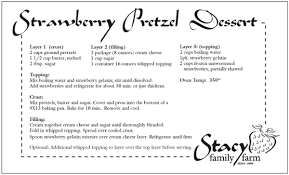
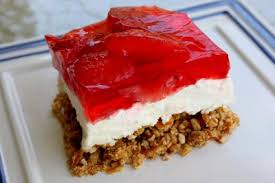

& I will close with a Little dessert
&/OR
ENJOY! Blessings, cc
Good Evening! This is for the APDG ~ Quick Swap ~ Parrots ;-) swap. I hope you enjoy the images! I love how intelligent there are!
Happy Swapping!
JessLynne